

Understanding Fascia
The Body's Hidden Network
When people think about healthy skin, they often focus on products, treatments, or ingredients.
While those all play an important role, I've learned over the years that healthy skin cannot be separated from the health of the body as a whole.
The more I've studied it, the more I've realized how deeply it influences the way we move, how we hold tension, how we heal, and even how our skin functions.
Understanding fascia has transformed not only the treatments I provide at JRAD SKIN, but also the way I educate clients about caring for their skin beyond the surface.
Let’s dive in.
What Is Fascia?
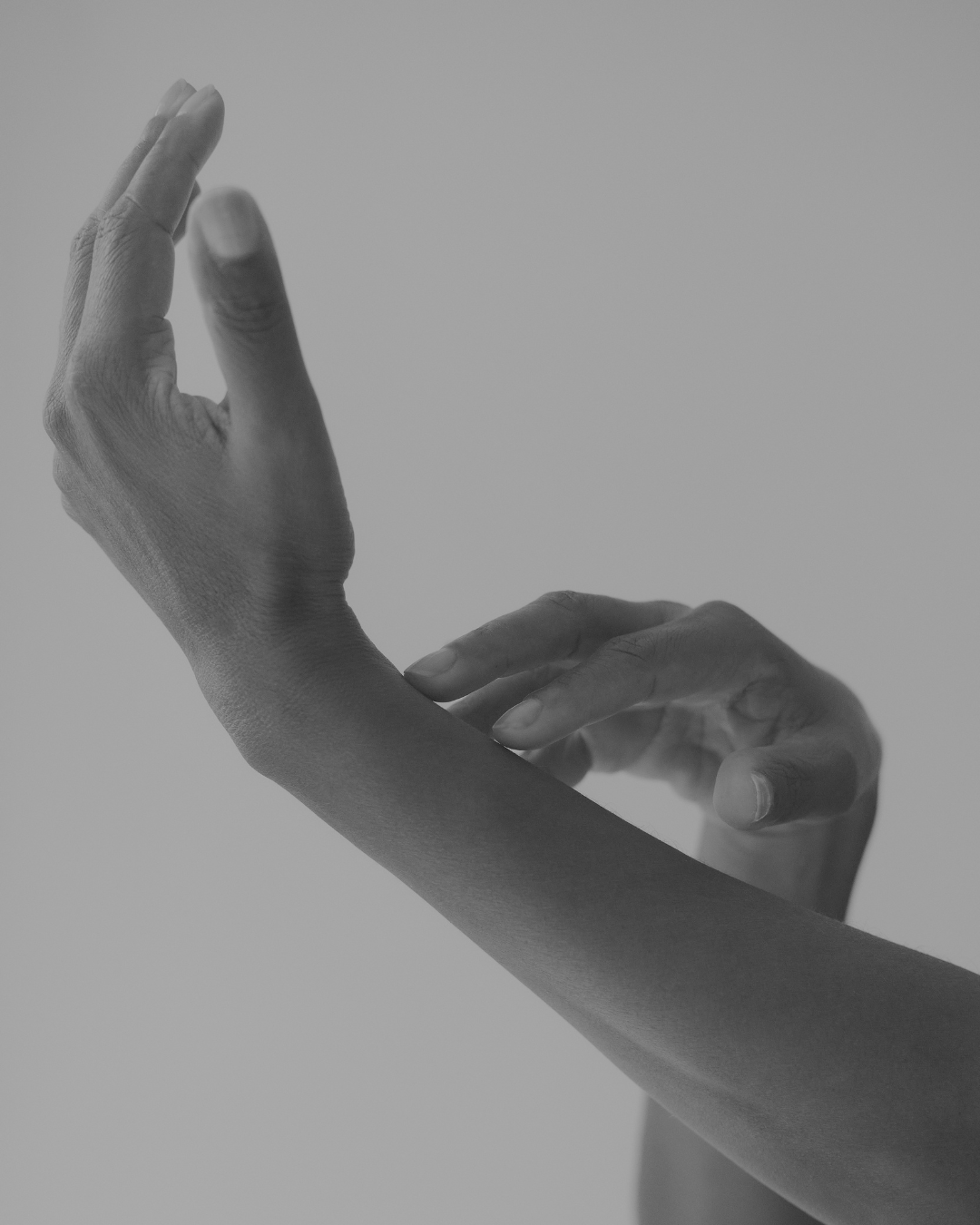
Fascia is a thin but incredibly strong network of connective tissue that surrounds and supports every muscle, bone, organ, nerve, and blood vessel throughout the body.
I often describe it as one continuous web that connects everything together.
When fascia is healthy, it remains hydrated, flexible, and able to glide smoothly as we move. It plays an important role in supporting posture, movement, circulation, and communication throughout the body.
Although we don't often think about fascia, it influences far more than most people realize.
What Happens When Fascia Becomes Restricted?
Like any tissue in the body, fascia can become tight or restricted over time.
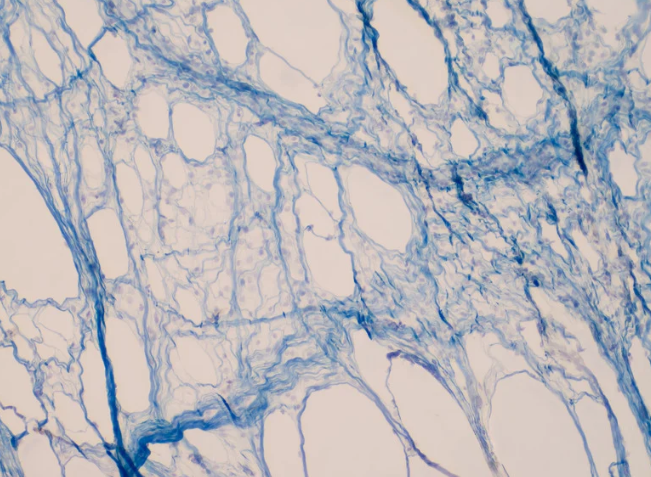
This can happen through repetitive movement, prolonged posture, injury, inflammation or emotional stress.
When fascia loses its ability to move freely, you may notice:
Increased facial or jaw tension
Neck, shoulder, and upper back tightness
Reduced mobility and flexibility
A feeling of stiffness or restriction within the tissues
Changes in facial comfort and expression
Puffiness or fluid retention
A general feeling of tightness throughout the body
Our muscles, connective tissues, and movement patterns are closely interconnected. When one area experiences ongoing tension or limited mobility, it can influence how surrounding structures move and function.
For example, persistent tension through the neck and shoulders may contribute to muscular discomfort around the jaw and face. Similarly, habitual facial expressions, jaw clenching, posture, and everyday stress can all influence how we hold tension within our facial tissues.
This is why understanding fascia encourages us to look beyond the area where tension is most noticeable.
What feels like tightness in the jaw may be influenced by movement patterns or muscular tension elsewhere in the body. And what appears to be a purely aesthetic concern may sometimes have a functional component worth exploring.
Rather than treating each area in isolation, fascial work invites us to consider the relationship between movement, muscular tension, tissue mobility, and overall wellbeing.
One of the reasons I'm so passionate about fascial work is because of its close relationship with the nervous system.
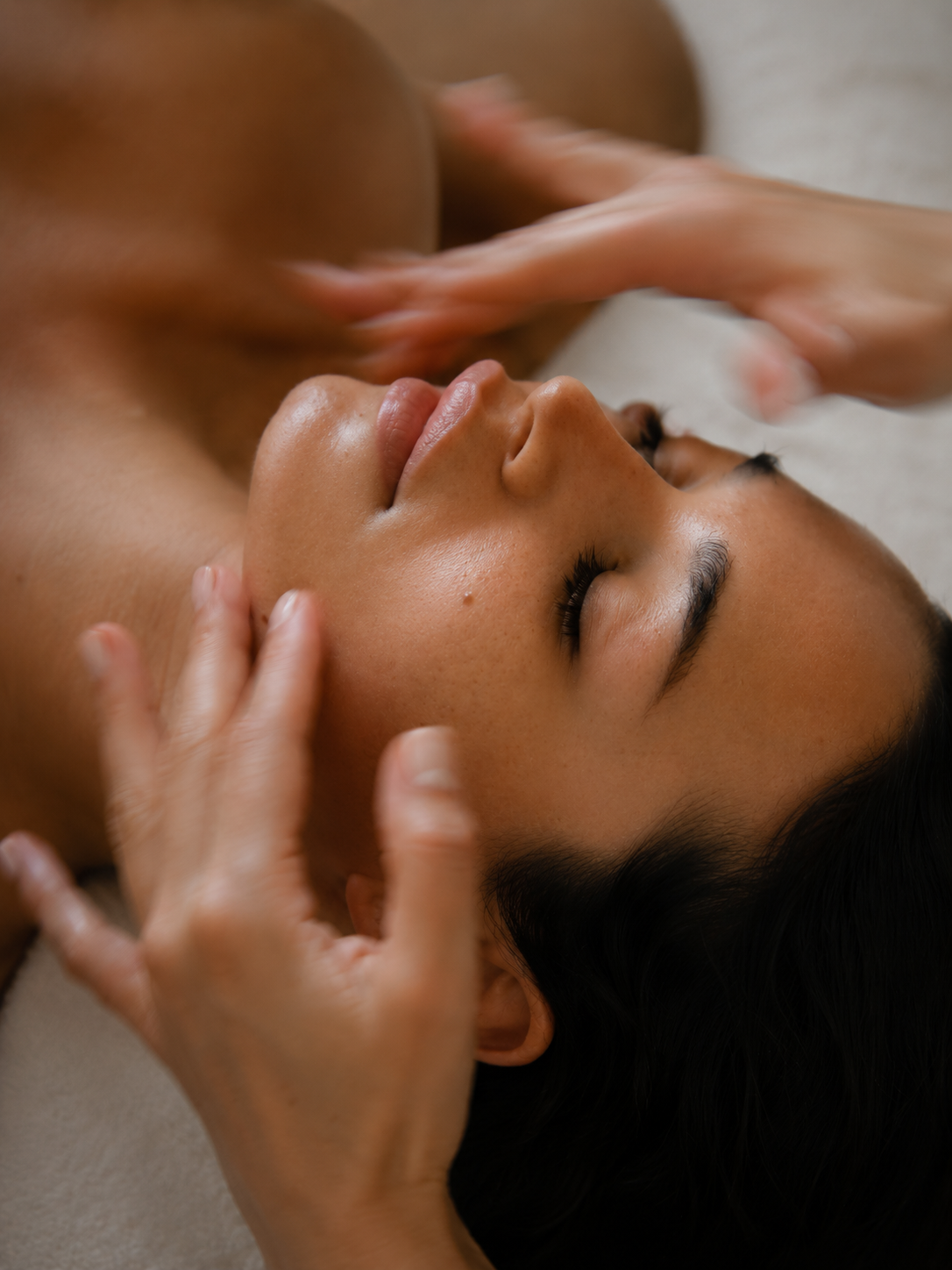
Fascia contains an extensive network of sensory nerves that are constantly communicating with the brain.
During periods of prolonged stress, our bodies naturally create protective patterns that can contribute to increased muscle guarding and tension.
It's something I witness often during treatments.
Many clients arrive carrying tension they didn't even realize they were holding. As treatment begins and the body gradually shifts into a more regulated state, I often see that tension begin to soften, clients then describe feeling lighter, calmer, and more connected to themselves.
This is one of the reasons fascial work feels so restorative.
It supports not only the skin, but the body and mind together.
Why Supporting Fascia Matters?
When we help restore healthy movement within the fascial system, we're also supporting many of the body's natural processes.
Facial fascia work goes beyond relaxation. By addressing muscular tension, supporting fluid movement, and encouraging mobility within the facial tissues, we can create an environment that complements both corrective skin treatments and long-term skin health.
Some of the benefits include:
Improved circulation, supporting the delivery of oxygen and nutrients to facial tissues.
Support for healthy lymphatic flow, helping manage temporary fluid retention and facial puffiness.
Reduced muscular tension, encouraging greater comfort, relaxation, and facial mobility.
Support for acne-prone and reactive skin, as a gentle complementary approach alongside treatments that address inflammation, barrier function, and underlying triggers.
Support for post-inflammatory hyperpigmentation (PIH), as part of a broader treatment approach focused on reducing inflammation and preventing further skin injury.
Improved facial appearance and vitality, helping the skin appear more refreshed, rested, and vibrant.
Support for graceful aging, addressing tension and temporary puffiness that can contribute to a tired or less defined facial appearance.
Greater nervous system relaxation, encouraging a sense of calm and overall wellbeing.
While fascial work cannot replace the skin's natural collagen and elastin or independently correct significant skin laxity, it can be a valuable component of a comprehensive approach to maintaining facial comfort, mobility, and appearance as we age.
Rather than focusing on one isolated concern, fascial work encourages us to consider how the muscles, connective tissues, skin, and nervous system function together.
It is not about replacing every corrective treatment or injectable. It is about supporting the skin and underlying tissues through thoughtful, consistent care, while respecting each individual's goals and the natural aging process.
For me, that's what combining holistic & medical skin health is truly about.
How We Support Fascia at JRAD SKIN
Many of our treatments are intentionally designed to work beyond the surface of the skin by incorporating techniques that support the fascial system.
While treatments such as The Sculptor and LED Advanced place a more intentional focus on facial massage, muscular tension, and fascial mobility, this philosophy extends throughout our entire treatment menu.
At JRAD SKIN, all of our Elevated Treatments incorporate techniques that work with the facial muscles and fascial system, recognizing that healthy skin is influenced by more than what we see on the surface.
Whether our focus is acne, inflammation, pigmentation, restoration, or preventative aging, we approach the skin as part of an interconnected system.
Our intention is not simply to treat the skin, but to support the structures, functions, and processes that contribute to its long-term health and vitality.
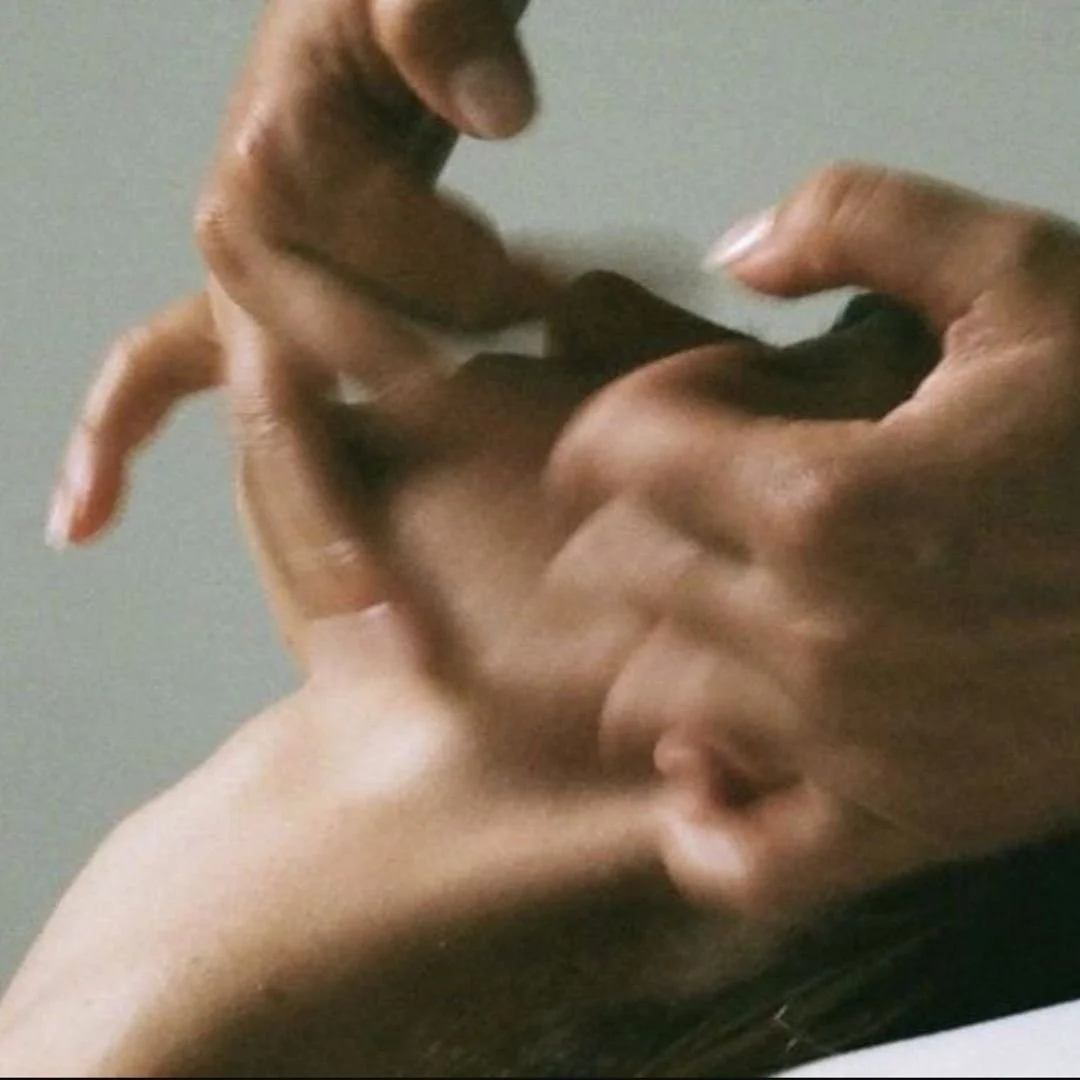
The SculptoR
The Sculptor combines therapeutic facial massage, acupressure, lymphatic drainage, and fascial release techniques to help reduce facial tension while supporting circulation and natural contour.
Clients often leave feeling lighter, more relaxed, and deeply restored.
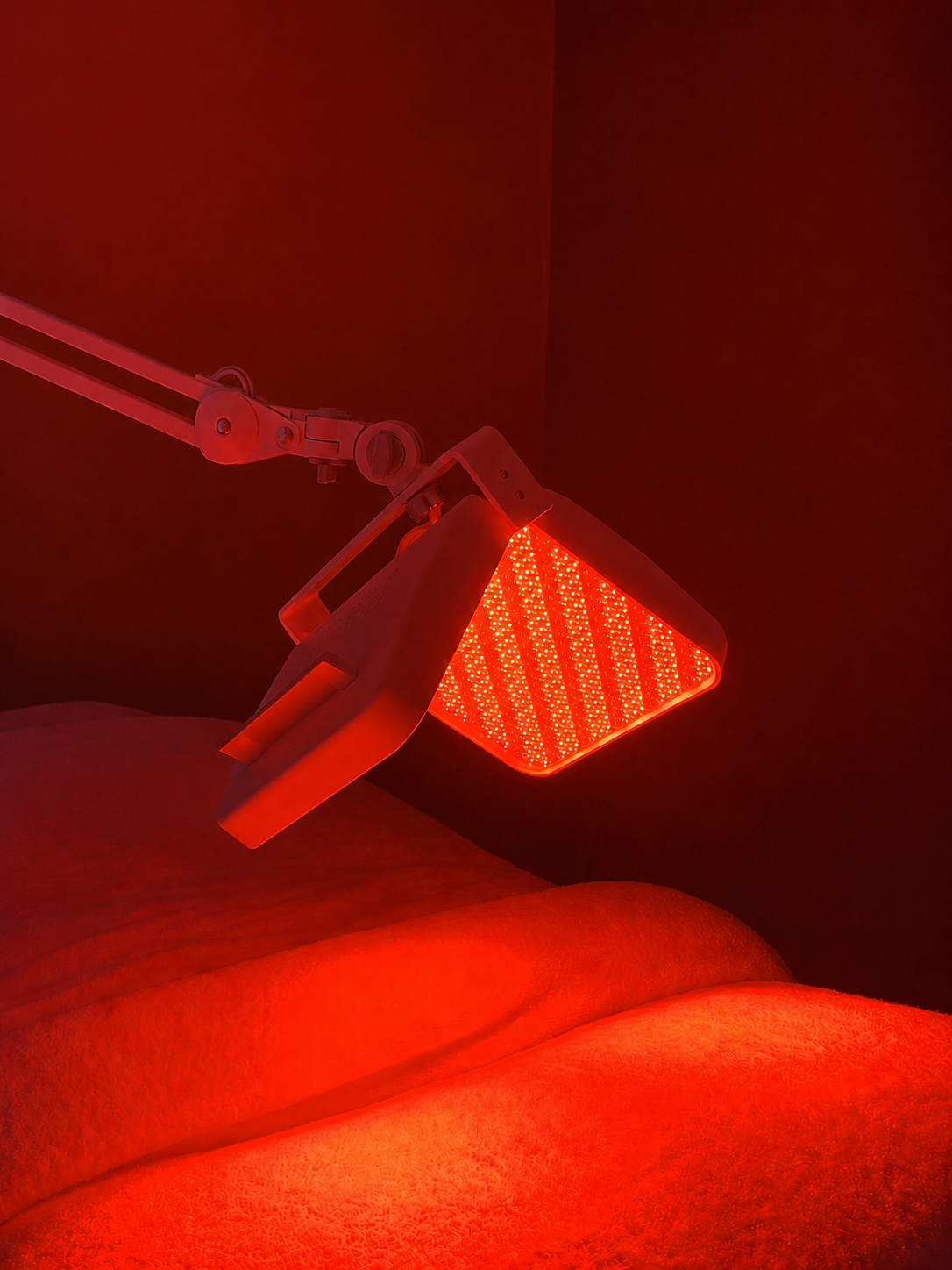
LED Advanced
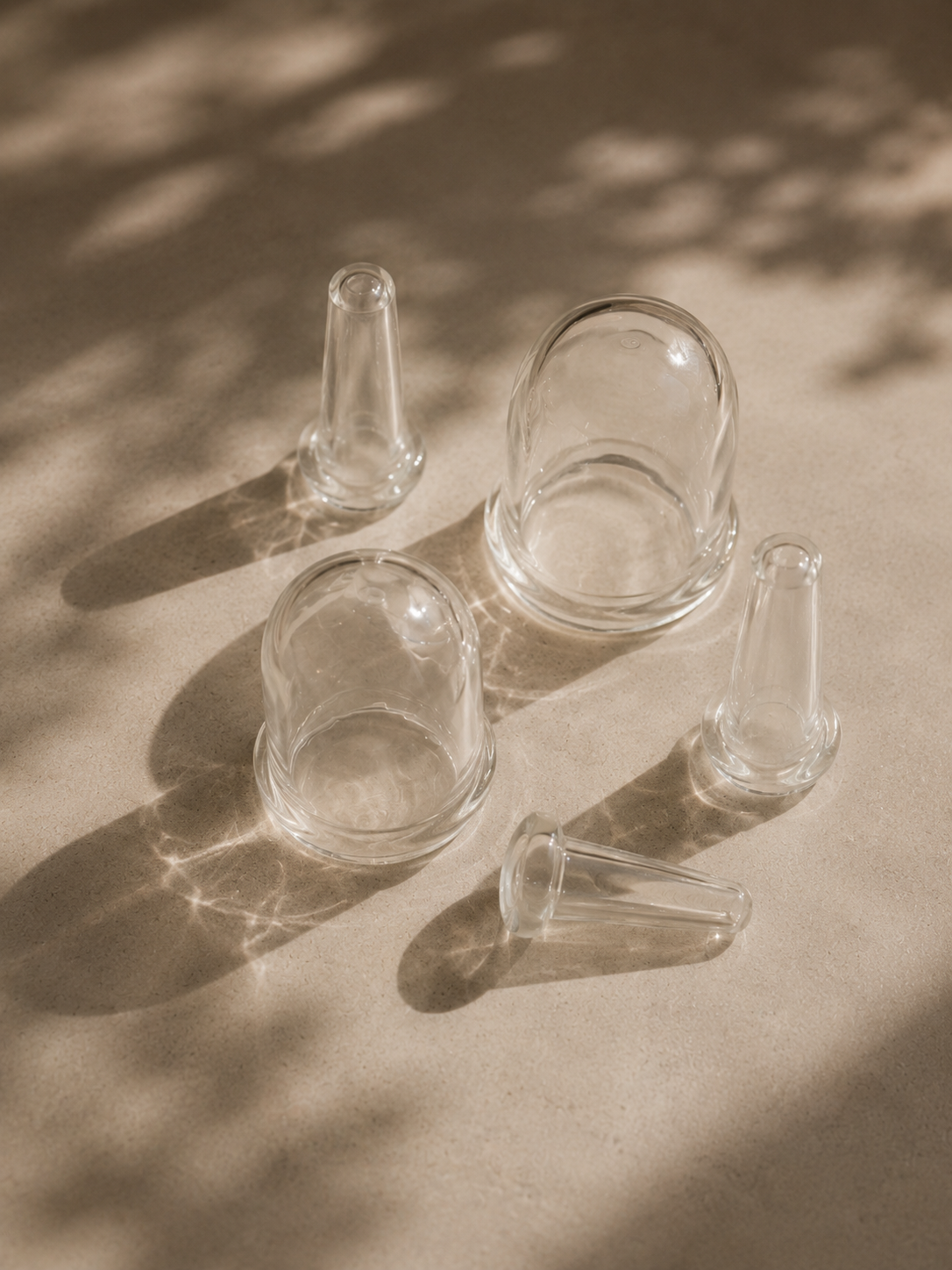
Our LED Advanced treatment pairs facial cupping, gua sha, and intentional fascial techniques with LED Light Therapy to support circulation, encourage collagen production, and leave the skin feeling balanced, refreshed, and revitalized.
For skin in need of circulation, release, and deeper restoration.
Supporting Fascia at HomE
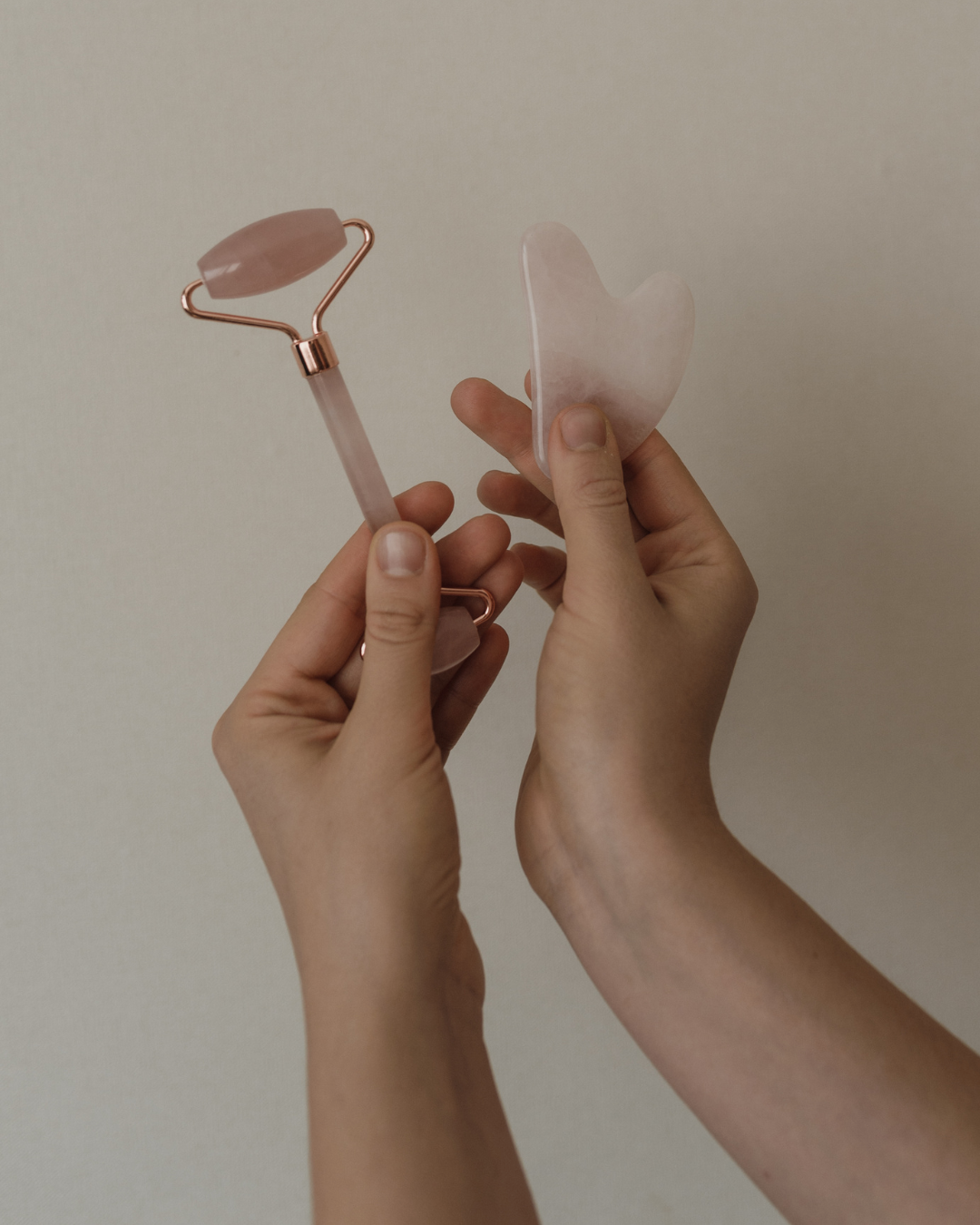
Professional treatments create meaningful change, but the small things we do consistently at home also matter.
Practices such as facial gua sha, facial cupping, gentle massage, or reflexology tools can encourage movement within the fascial system while supporting circulation and helping release the tension we accumulate throughout the day.
Even just a few intentional minutes can become a meaningful way to care for both your skin and your overall wellbeing.
Why I'm Bringing This to JRAD Academy
When I first began studying fascia, it completely changed the way I viewed skin treatments.
I realized that lasting skin health isn't only about what we apply to the skin. It's about understanding the systems beneath it and how they all work together.
That curiosity continues to shape the way I practice today.
Every course I take, every client I treat, and every new piece of research helps refine my understanding. I believe that as service providers, we have a responsibility to keep learning so we can continue providing thoughtful, evidence-informed care that truly supports our clients.
The more I learn, the more I realize how connected everything really is.
Over the years, I've had the privilege of mentoring aestheticians who wanted to move beyond routine treatments and develop a deeper understanding of the skin.

One topic that continually comes up is fascia, because once you understand it, it changes the way you approach every treatment.
As JRAD Academy enters its next chapter, I'm excited to bring more of this education to aestheticians who are looking to deepen their knowledge and refine their technique.
Our upcoming education will explore topics including facial massage, fascia-focused treatments, gua sha, lymphatic techniques, acne support, and holistic skin therapies.
Helping practitioners better understand not only how to perform treatments, but why they work.
My hope is that this education helps elevate the standard of care within our industry while giving practitioners more confidence in the way they support their clients.
If you're an aesthetician who values thoughtful, intentional care and wants to continue growing your knowledge, I'd love to have you join us.
You can join the JRAD Academy waitlist to be the first to hear about upcoming in-person trainings, online courses, and future education opportunities.