

My Melanoma Diagnosis
What it taught me about Health, Awareness, and Early Detection.
On July 4th, 2025, I received a melanoma diagnosis.
As someone who has spent years helping people understand their skin, it was a moment that reinforced something we believe strongly at JRAD SKIN:
Healthy skin begins with understanding.
I never thought that I would receive that diagnosis.

I was young.
I was healthy.
I worked in the skincare industry.
I paid attention to my skin.
Cancer wasn't something I expected to hear.

What surprised me most wasn't just the diagnosis itself. It was realizing how easily I could have delayed having it checked.
The spot wasn't painful.
It wasn't dramatically changing every day.
It wasn't screaming for attention.
Yet it was melanoma.
What is Melanoma?
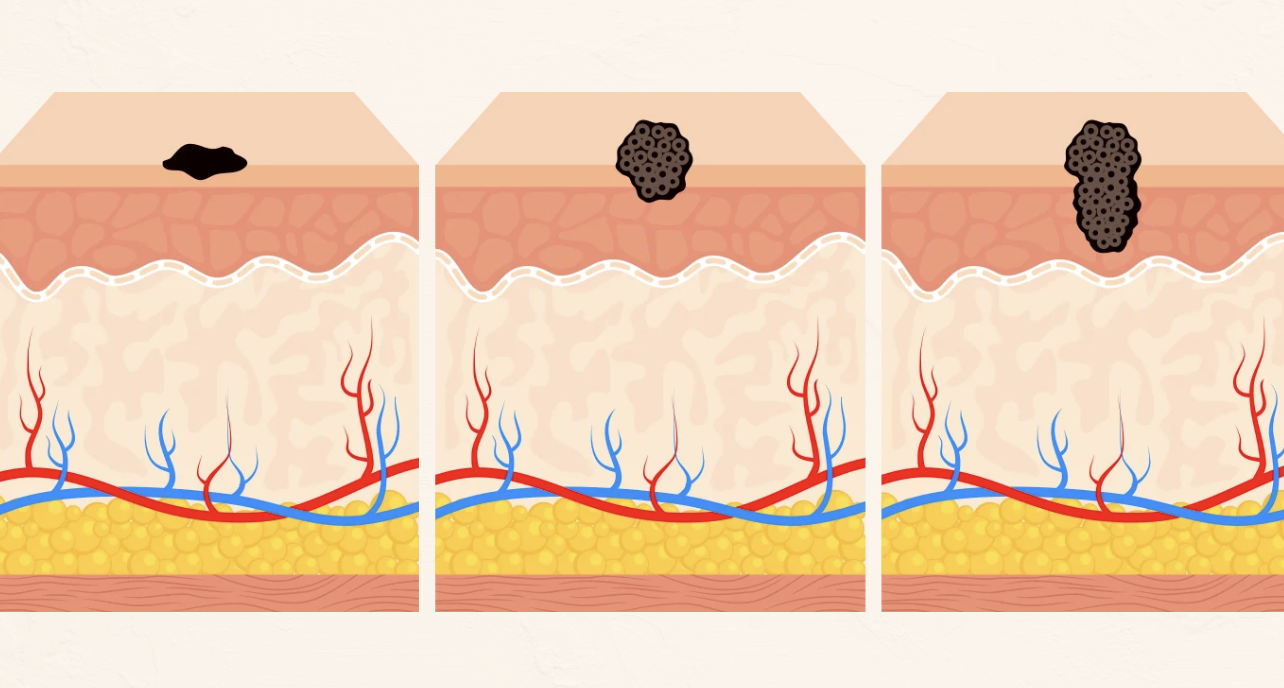
Melanoma is a type of skin cancer that develops in the melanocytes, the specialized cells responsible for producing melanin, the pigment that gives us colour.
When these cells become damaged, they can begin growing uncontrollably and form melanoma.
Unlike many other skin cancers, melanoma has a greater ability to invade deeper layers of the skin and spread to nearby lymph nodes and other organs through the lymphatic system and bloodstream. This process, known as metastasis, is what makes melanoma one of the more serious forms of skin cancer.
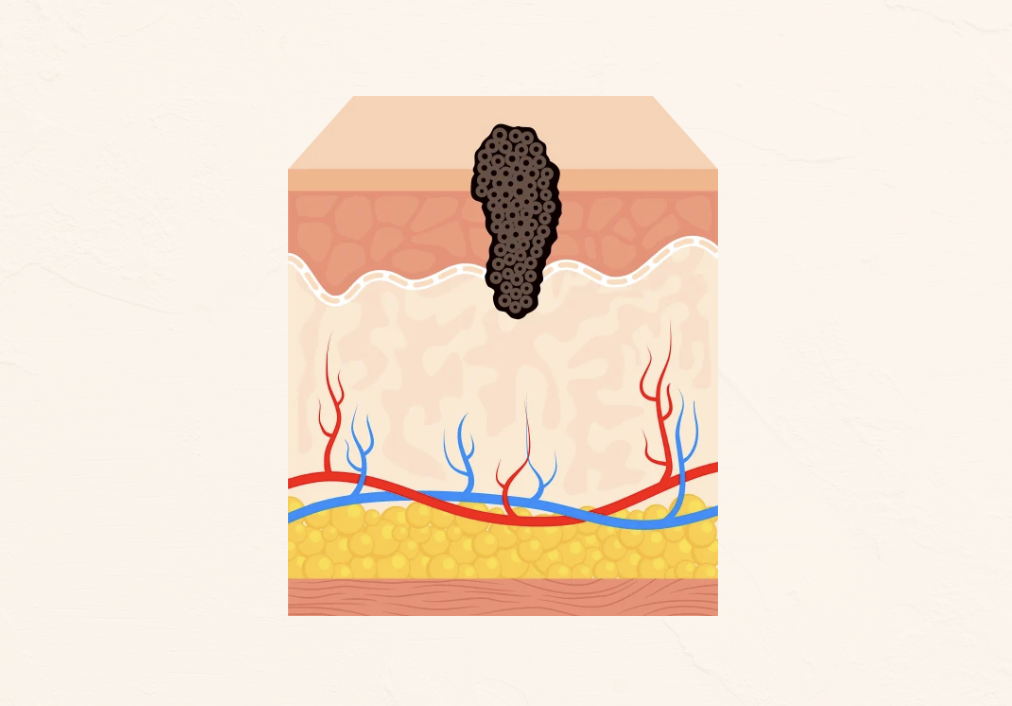
Although melanoma accounts for a smaller percentage of skin cancer diagnoses, it is responsible for the majority of skin cancer-related deaths worldwide.
The encouraging news is that melanoma is highly treatable when detected early.
In its earliest stages, treatment often involves surgical removal before the cancer has the opportunity to spread. This is why routine skin examinations, self-monitoring, and early medical assessment of suspicious lesions are so important.
Simply put, the earlier melanoma is identified, the better the outcome tends to be.
That experience changed the way I think about skin health forever.
It reminded me how important awareness truly is.
What Causes Melanoma?
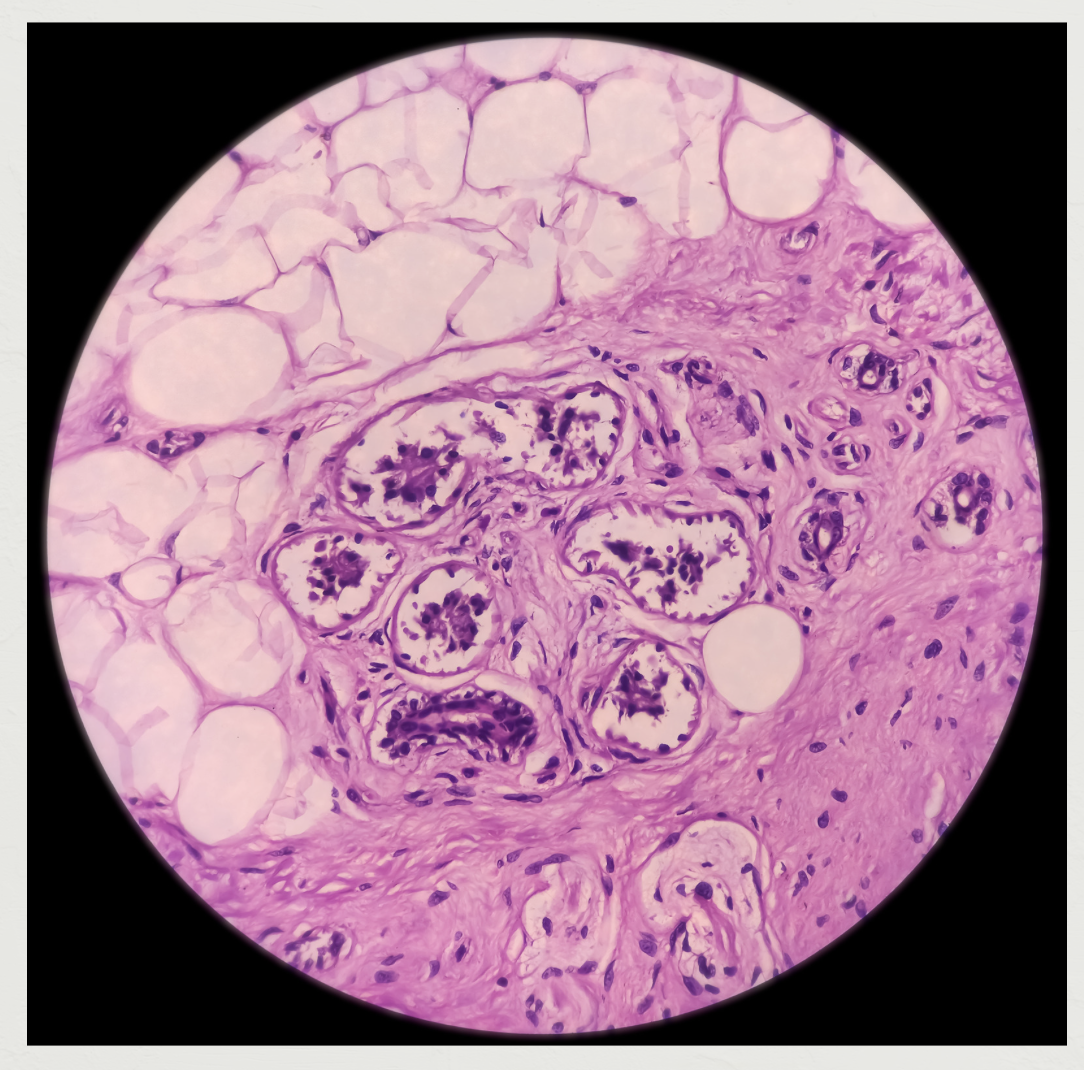
melanoma is more complex than many people realize.
It develops when DNA damage occurs within melanocytes, the pigment-producing cells responsible for creating melanin.
Over time, this damage can interfere with the normal mechanisms that regulate cell growth, repair, and cell turnover. When those regulatory processes become disrupted, melanocytes may begin growing and dividing uncontrollably, leading to the development of melanoma.
This damage can contribute to:
Abnormal cell growth
Rapid multiplication of melanocytes
Changes within existing moles
The development of new or unusual lesions
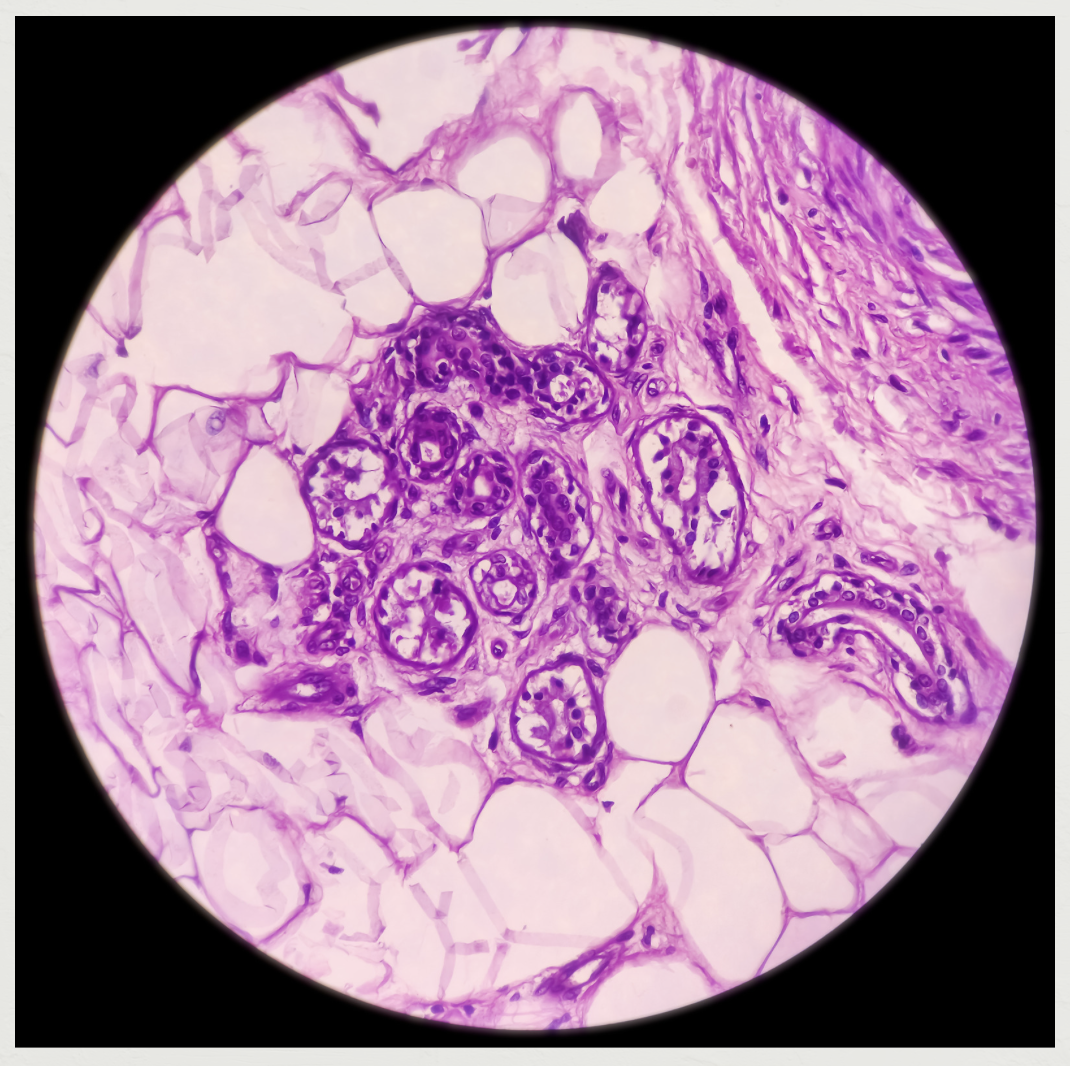
As these mutations accumulate, affected cells can begin growing and dividing uncontrollably, eventually forming a melanoma.
While ultraviolet (UV) radiation remains one of the most well-established risk factors, melanoma cannot always be explained by sun exposure alone.
Not every melanoma develops on heavily sun-exposed areas of the body. Since Melanoma develops when genetic mutations occur within melanocytes, disrupting the normal processes that regulate cell growth, repair, and cell death, Melanoma can occur in locations that receive little to no sunlight, including the soles of the feet, beneath the fingernails and toenails, within the eye, on mucosal tissues such as the nasal passages or genital region.
This highlights an important reality:
Skin cancer awareness extends beyond simply monitoring sun exposure. It requires understanding your individual risk factors, becoming familiar with what is normal for your skin, and paying attention to changes that may otherwise go unnoticed.
The more familiar you become with your skin, the more likely you are to recognize when something has changed—and early recognition can make all the difference.
Your Family History Matters
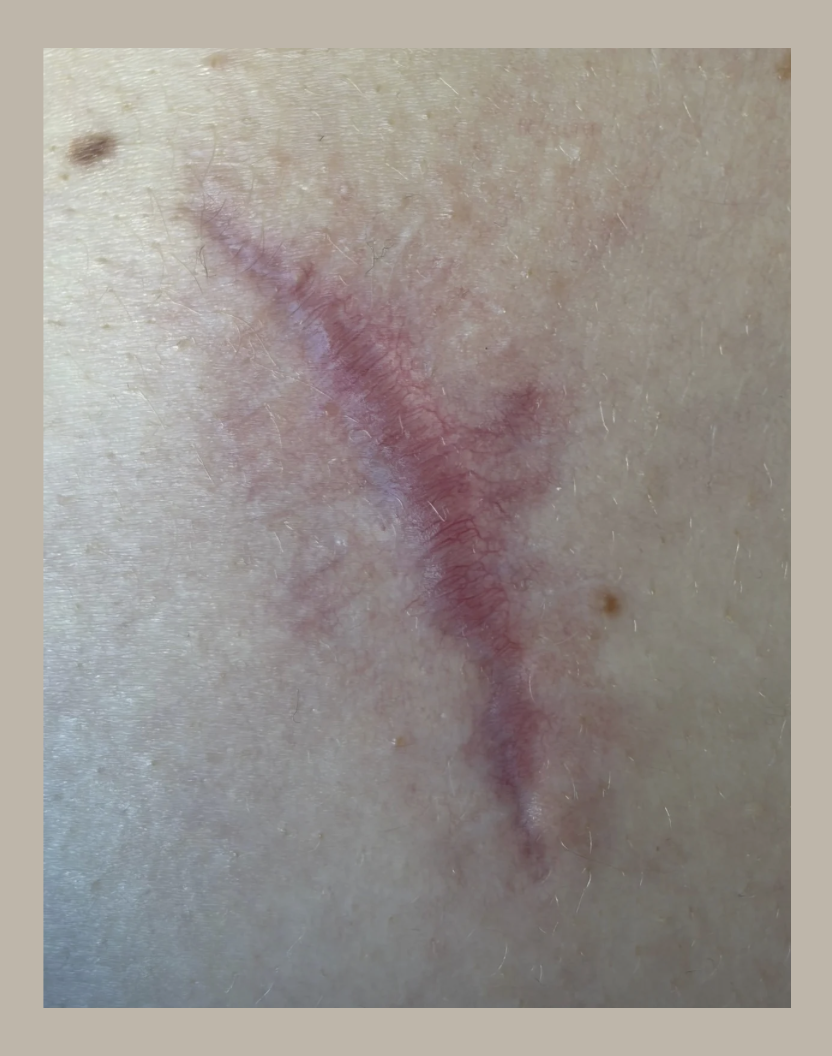
I had always been familiar with my family history, and was aware that melanoma had affected multiple relatives across different generations.
My maternal grandmother had melanoma that was successfully removed. My paternal grandmother was diagnosed with melanoma, as well as breast cancer and lymphoma, and passed away in her sixties. My paternal uncle was diagnosed with melanoma that eventually spread to his brain, and he passed away in his forties. As I continued exploring my family's health history, I also learned more about the cancers that had affected previous generations, including my maternal grandfather, who was diagnosed with both lung cancer and mucosal cancer.
While not every melanoma is hereditary, a family history like mine raises important questions about genetic predisposition and inherited cancer risk.
Researchers have identified several genetic mutations associated with an increased risk of melanoma, including mutations in genes such as CDKN2A, CDK4, BAP1, MITF, and others. These genes are involved in important cellular functions such as DNA repair, cell-cycle regulation, and tumor suppression. When mutations occur within these pathways, the body's ability to identify and control abnormal cell growth can become impaired.
Most people diagnosed with melanoma do not have one of these inherited mutations. However, when melanoma appears repeatedly across multiple family members or generations, healthcare providers may recommend further genetic evaluation to better understand potential hereditary risk factors. While genetics are only one piece of the puzzle, the more information we have about our individual risk factors, the better equipped we are to make informed decisions about screening, prevention, and early detection.
For me, what initially felt like a single diagnosis became part of a much larger story—one that highlighted the importance of awareness, proactive healthcare, and paying attention not only to our own health, but also to the patterns that may exist within our families

One of the most profound lessons my diagnosis taught me was that health is rarely one-dimensional.
Ultraviolet (UV) radiation remains one of the most significant and well-established risk factors for melanoma development.
However, my experience encouraged me to look beyond a single risk factor and take a broader view of health. As someone who has spent years studying the skin, I understand that the body is not a collection of separate systems operating independently. The skin is constantly communicating with the immune system, nervous system, endocrine system, and the environment around us.
Following my diagnosis, I found myself paying closer attention to the foundational habits that support overall wellness:
Sleep quality, Nutrition, Stress management, Movement, Recovery & Rest.
Current research does not support stress as a direct cause of melanoma. However, chronic stress has been shown to influence many aspects of human health, including immune function, inflammation, sleep quality, recovery, and our body's ability to maintain balance over time.
My diagnosis became an invitation to ask deeper questions.
Healing became about more than recovering from a surgical procedure. It became an opportunity to slow down, reassess priorities, reconnect with my health, and create habits that better supported my physical and emotional well-being.
I've since learned that many individuals who experience a significant health challenge describe a similar shift. They begin asking deeper questions about how they live, how they care for themselves, and what truly supports long-term health.
What begins as a diagnosis often becomes a catalyst for reflection.
One of the most effective ways to monitor your skin is by using the ABCDE rule for melanoma detection.
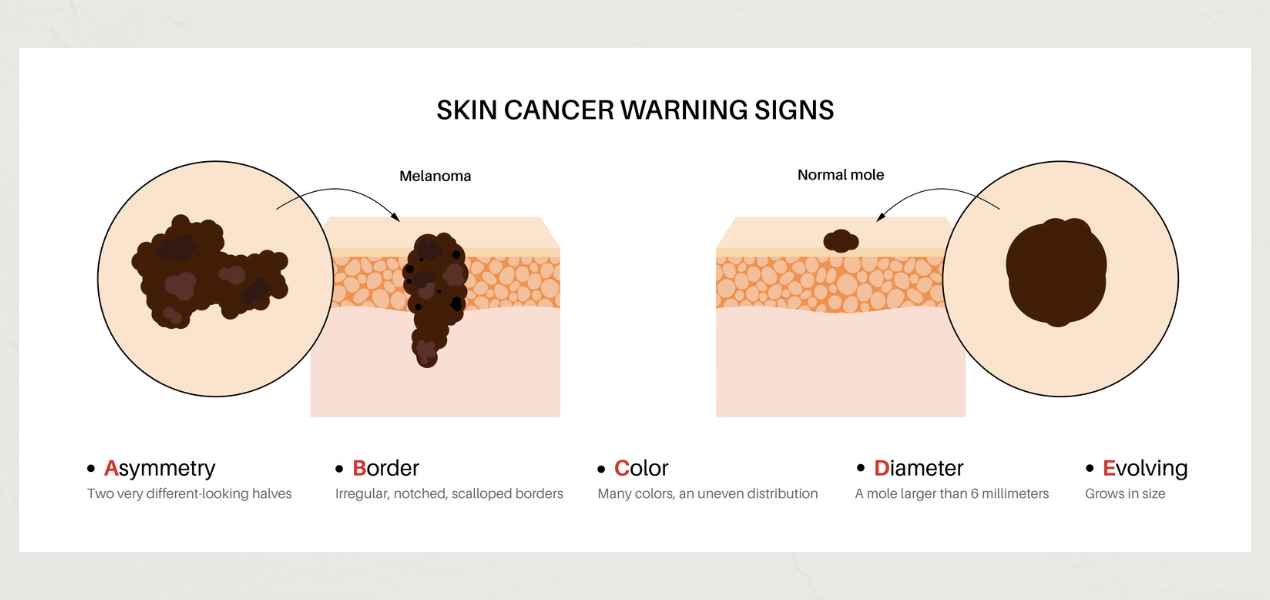
Why Skin Checks Matter

Routine skin checks are one of the most effective tools for detecting melanoma early.
Melanoma can look very different from person to person, and because changes often happen gradually, many people don't notice them until they become more significant. Regular monitoring allows you to recognize subtle changes sooner and seek professional evaluation when needed.
Signs and symptoms of melanoma BEYOND MOLES
May include:
A pink, red, or skin-coloured bump
A dark streak under a fingernail or toenail
A sore that does not heal
A smooth or shiny lesion
A new spot that looks different from surrounding moles
Tips for Early Melanoma Detection
Perform monthly self-skin examinations
Take photos of moles to track changes over time
Schedule annual skin examinations with a dermatologist
Seek medical attention if you notice any new, changing, or unusual lesions
A Final Thought
What began as a routine appointment became one of the most perspective-shifting experiences of my life.

Over the past year, I have gained a deeper appreciation for early detection, a greater understanding of my family's health history, and a renewed respect for the incredible role our skin plays in communicating with us.
If sharing my experience encourages even one person to schedule a skin check, monitor a changing spot, wear their SPF more consistently, or seek a second opinion when something doesn't feel right, then this story has served its purpose.
Your skin is constantly communicating with you.
Listen to it.
Learn from it.
Pay attention to it.
And when something changes, don't ignore it. Early detection truly can make all the difference.